Access our Candidate Assessments Beta: Yaswork

What makes an emerging market worth the risk? When an industry is developing, how do you identify the companies and categories with the potential to explode?
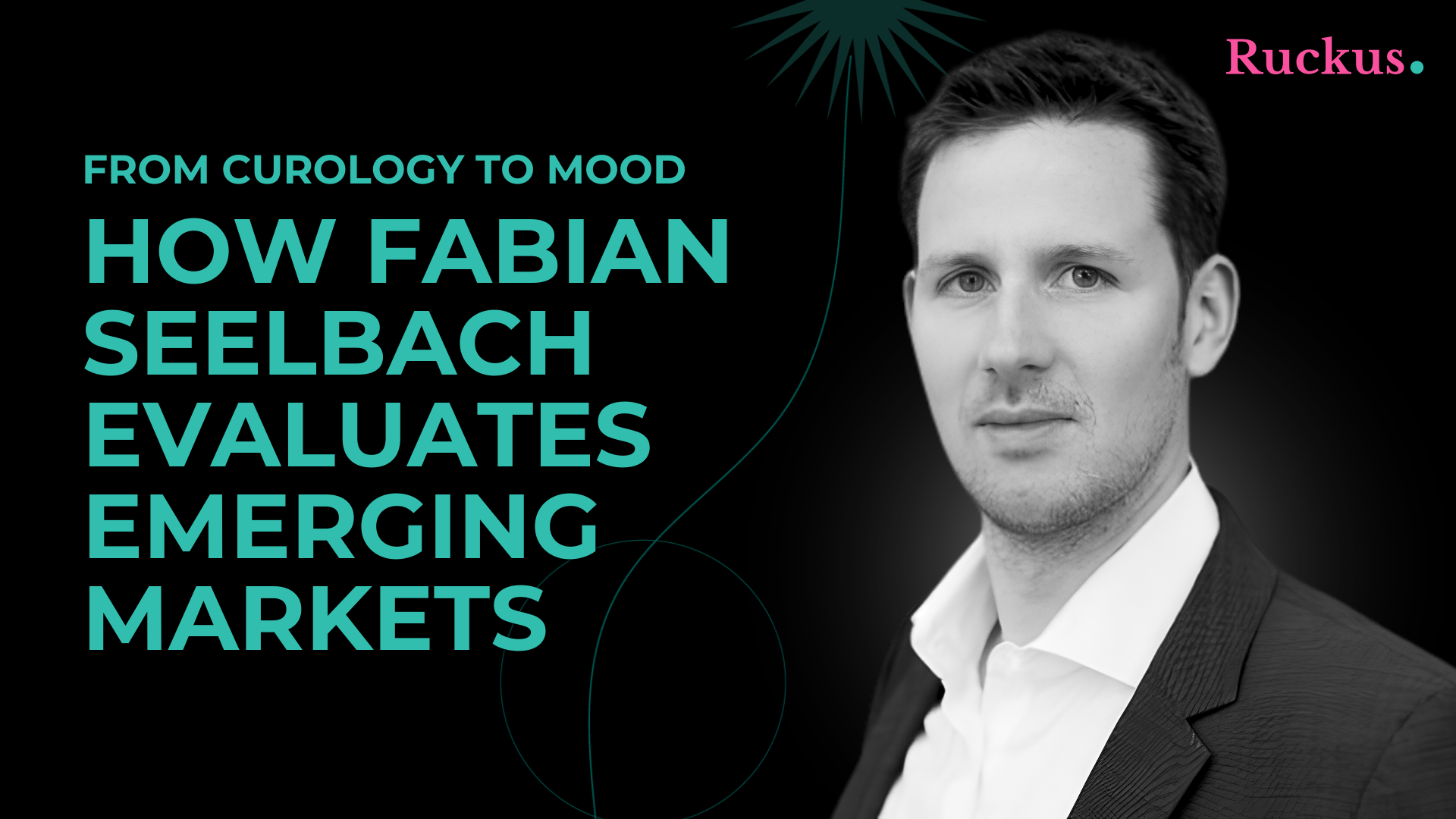
Mood CEO Fabian Seelbach draws on his experience at Curology, Goop, Cometeer, and now Mood on how he evaluates emerging market opportunities. He explains why the most exciting opportunities are often found within fast-growing subcategories, and how changing consumer behavior can transform familiar industries.
We talk about finding businesses at an inflection point, weighing short-term uncertainty against long-term potential, and leading teams through regulatory change. Fabian shares how he grew from a functional leader into a CEO, why strong leaders remain close to the day-to-day work, and the quality he considers the greatest predictor of long-term career success.
Watch the Full Video
Here’s What We Discussed
- 00:00 Fabian Seilbeck’s journey from Curology to Mood
- 00:39 Comparing Curology and Mood
- 02:35 Evaluating risk and reward in emerging industries
- 05:09 Identifying companies at an inflection point
- 06:13 How to spot a category ready for growth
- 09:00 Leading a team through risk and uncertainty
- 11:26 The fundamentals of building a great business
- 11:48 Growing from functional leader to CEO
- 14:35 Learning to lead unfamiliar business functions
- 16:00 Hiring people who could eventually replace you
- 17:45 The greatest predictor of long-term career success
WHY GREAT LEADERS HIRE THEIR FUTURE REPLACEMENTS
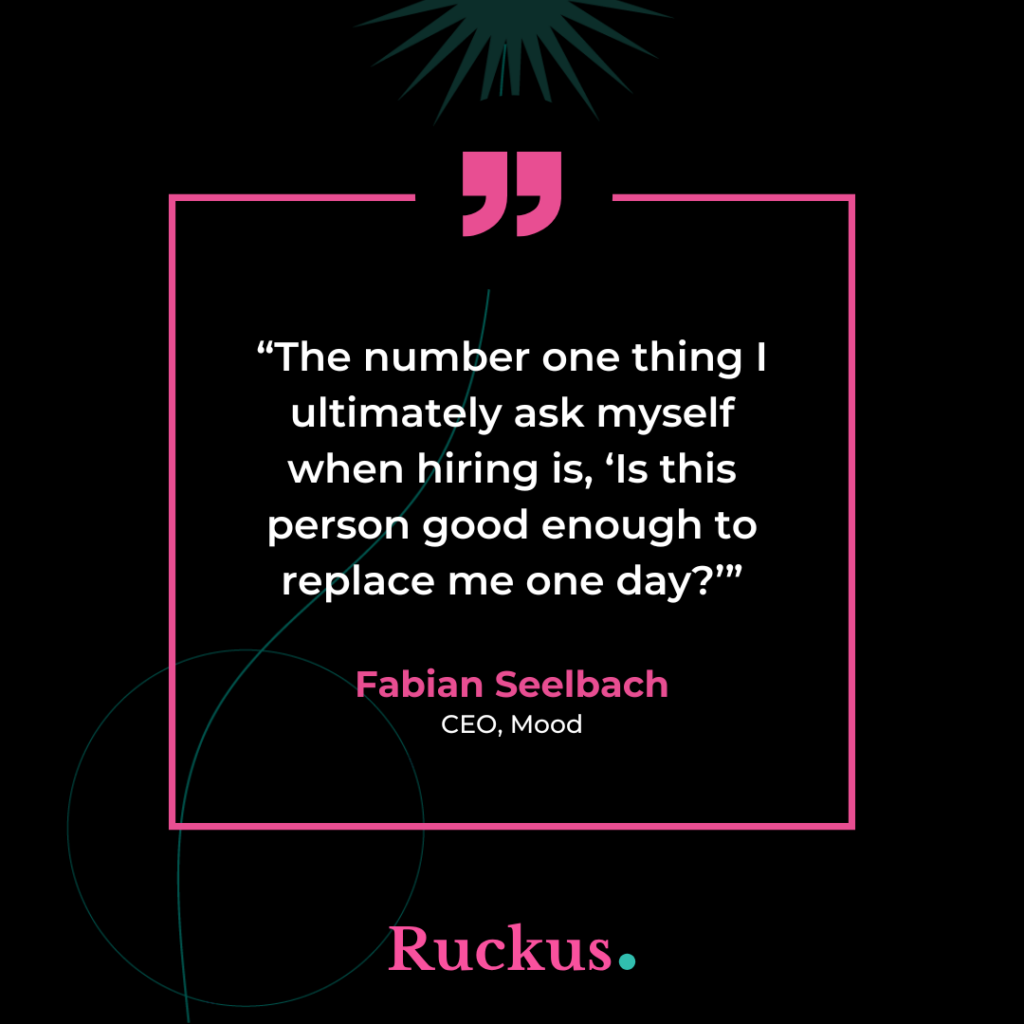
When building a team, Fabian asks one central question: Could this person eventually replace me? He looks beyond a candidate’s current capabilities and considers whether they have the drive, energy, and willingness to keep learning as the company grows.
The strongest hires improve within their roles while continually finding better ways to work. Fabian describes his best hires as those who expand their abilities and help level up the entire organization. According to him, this commitment to learning and innovation is one of the greatest predictors of long-term career success.
HOW TO SPOT THE NEXT BREAKOUT CONSUMER CATEGORY
The biggest opportunities don’t always come from creating an entirely new market. At Curology, the opportunity wasn’t ‘just’ skincare, but reinventing the category with a combination of customized products, prescription ingredients, and medical care. Similarly, the soda market isn’t necessarily growing; however, brands such as Olipop and Poppi grew rapidly within the otherwise mature soda market by responding to demand for healthier alternatives.
Fabian looks for subcategories shaped by broader shifts in consumer behavior, including how younger generations shop and what benefits they value. Mood sits at the intersection of hemp and wellness, with many customers seeking relief and other practical benefits. Ultimately, Fabian looks for companies with uniquely effective products that offer something meaningfully better than the existing alternatives.
Learn About Fabian
Fabian Seelbach is the CEO of Mood, a fast-growing company operating within the emerging hemp and THC market. Throughout his career, he’s helped build and scale consumer businesses across wellness, beauty, food, and technology.
Before joining Mood, Fabian served as CEO of Cometeer, president of Goop, and CMO of Curology, where he helped grow the personalized skincare brand into a $300 million business. He previously held leadership roles at Lumosity after beginning his career in management consulting.
Fabian’s experience in identifying emerging consumer categories, scaling businesses, and developing high-performing teams has made him an invaluable leader. His leadership approach combines long-term strategic thinking with a willingness to remain closely involved in the everyday work of building a company.
Quotes
“How do you take broad consumer trends, understand how behaviors are changing, and then reinvent established categories?” – Fabian Seelbach
“How can I plug in, and how can I provide unique value to help shape a company and an industry as it’s being created?” – Fabian Seelbach